
Want to Cut Maintenance Costs and Eliminate Downtime Risks?
Start with Predictive Maintenance.
Stop waiting for machinery to fail! Predictive maintenance helps you save up to 50% in maintenance overhead.
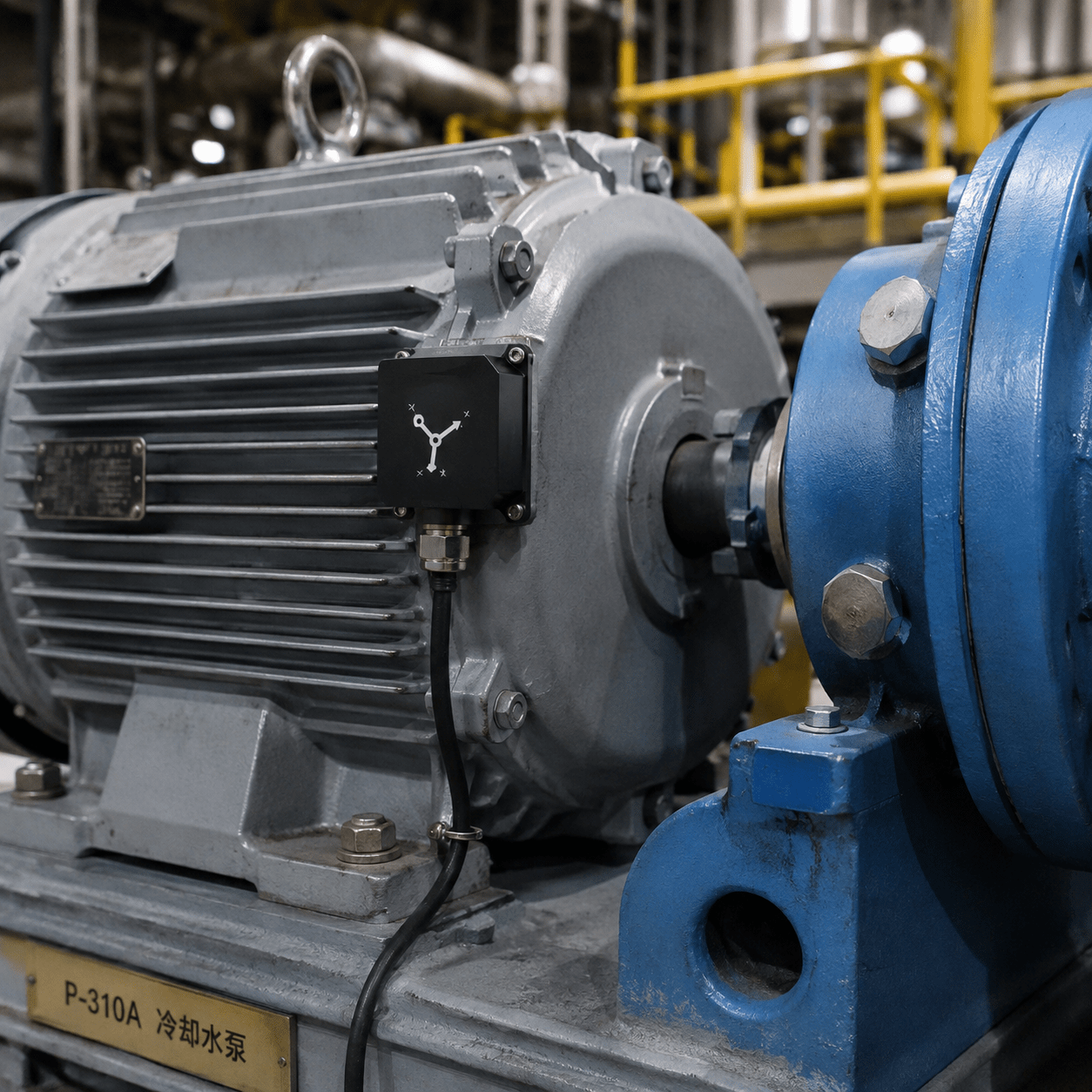
What Is Predictive Maintenance?
(Predictive Maintenance)
Predictive Maintenance (PdM) is an intelligent asset health management strategy that integrates IoT sensors, AI diagnostics, and advanced data analytics.
By identifying machinery anomalies and degradation trends before functional failure occurs, PdM enables precise, condition-based servicing—drastically minimizing downtime risks and operational costs.
Compared to traditional maintenance models, PdM prioritizes precision and operational efficiency, serving as a vital foundation for Smart Manufacturing and Industry 4.0 digital transformation.
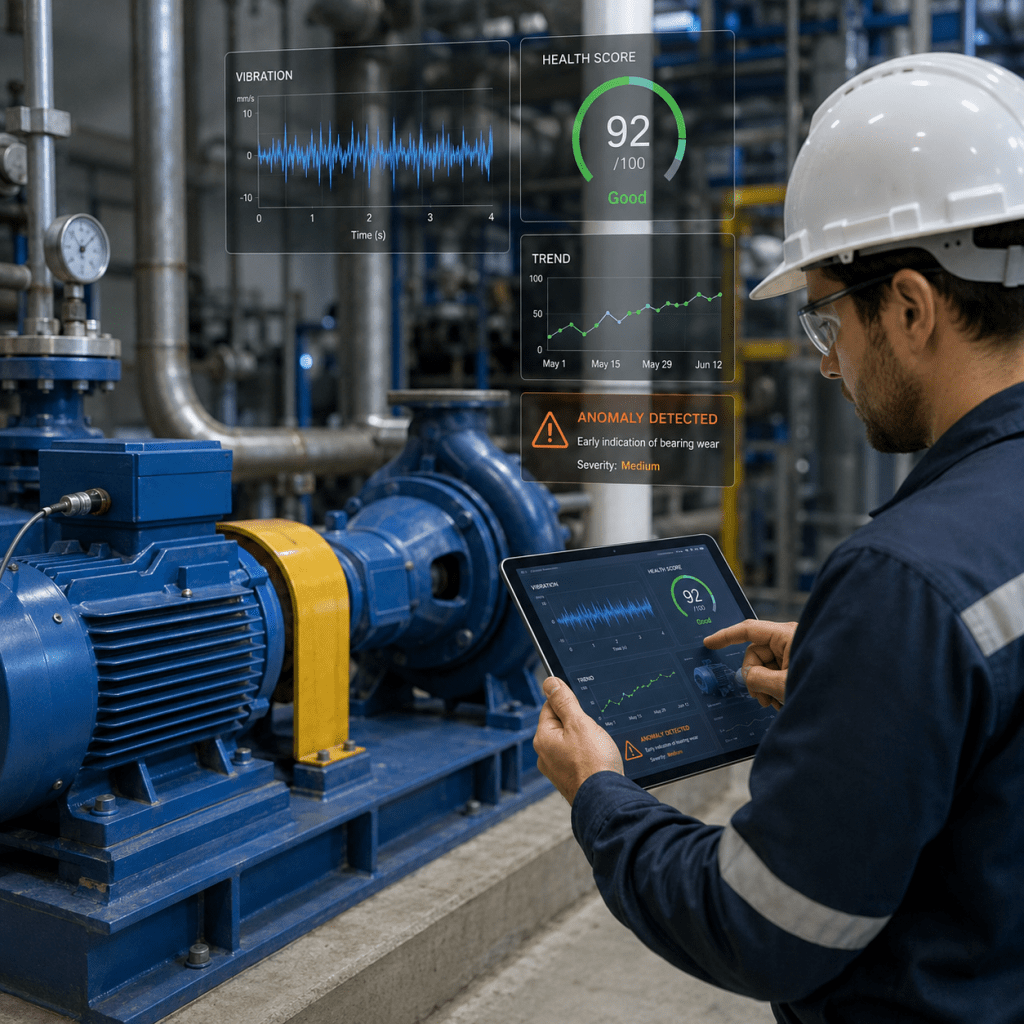
Stop Wasting Time and Money
Traditional Maintenance vs. Predictive Maintenance: Which Is Right for You?

Why Is Vibration Monitoring Ideal for Predictive Maintenance?
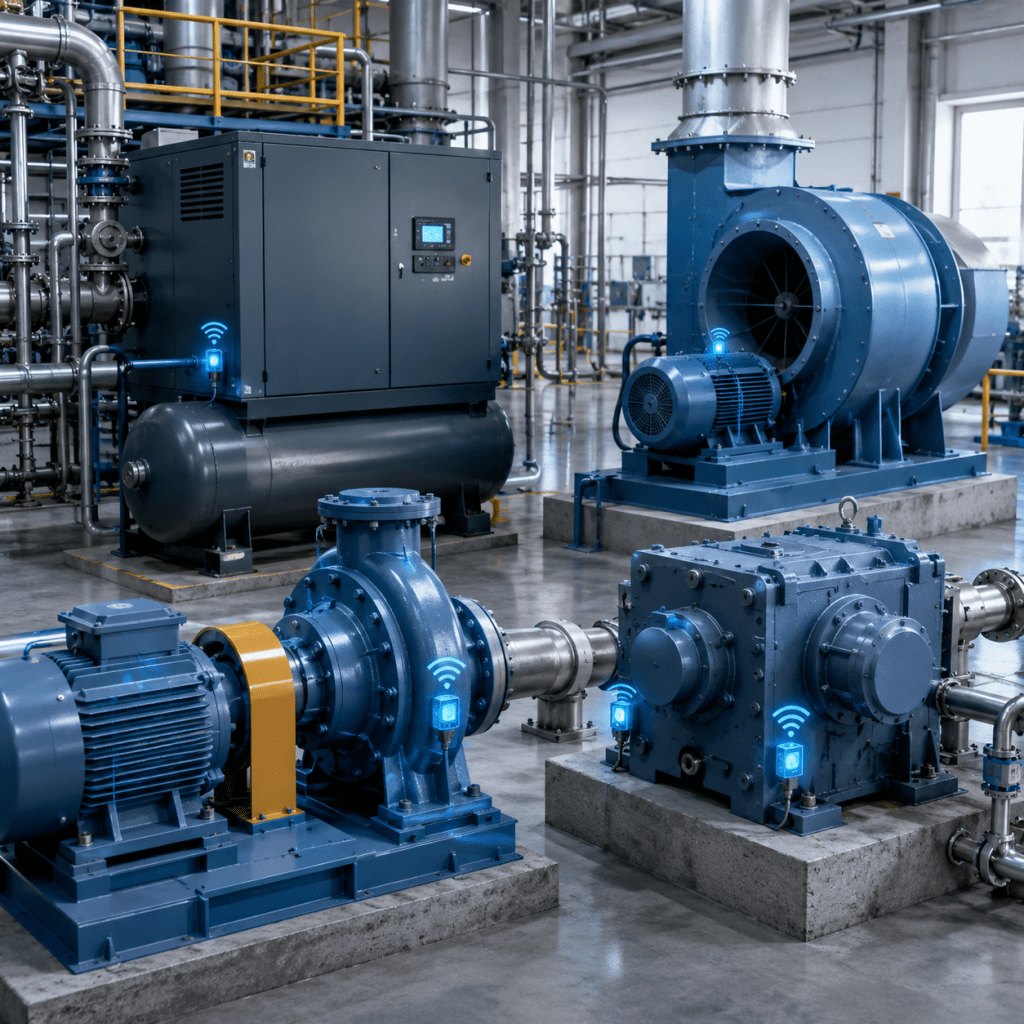
For rotating machinery—such as motors, pumps, fans, air compressors, and gearboxes—most mechanical distress modes manifest directly in vibration signals.
For example:
-
- Imbalance
- Misalignment
- Bearing Degradation
- Gear Defects
- Structural Looseness
As machinery degrades over time, vibration amplitude, frequency spectra, and waveform patterns undergo distinct shifts. Continuous monitoring tracks these subtle variations, empowering maintenance teams to detect early fault signatures long before catastrophic breakdown occurs.
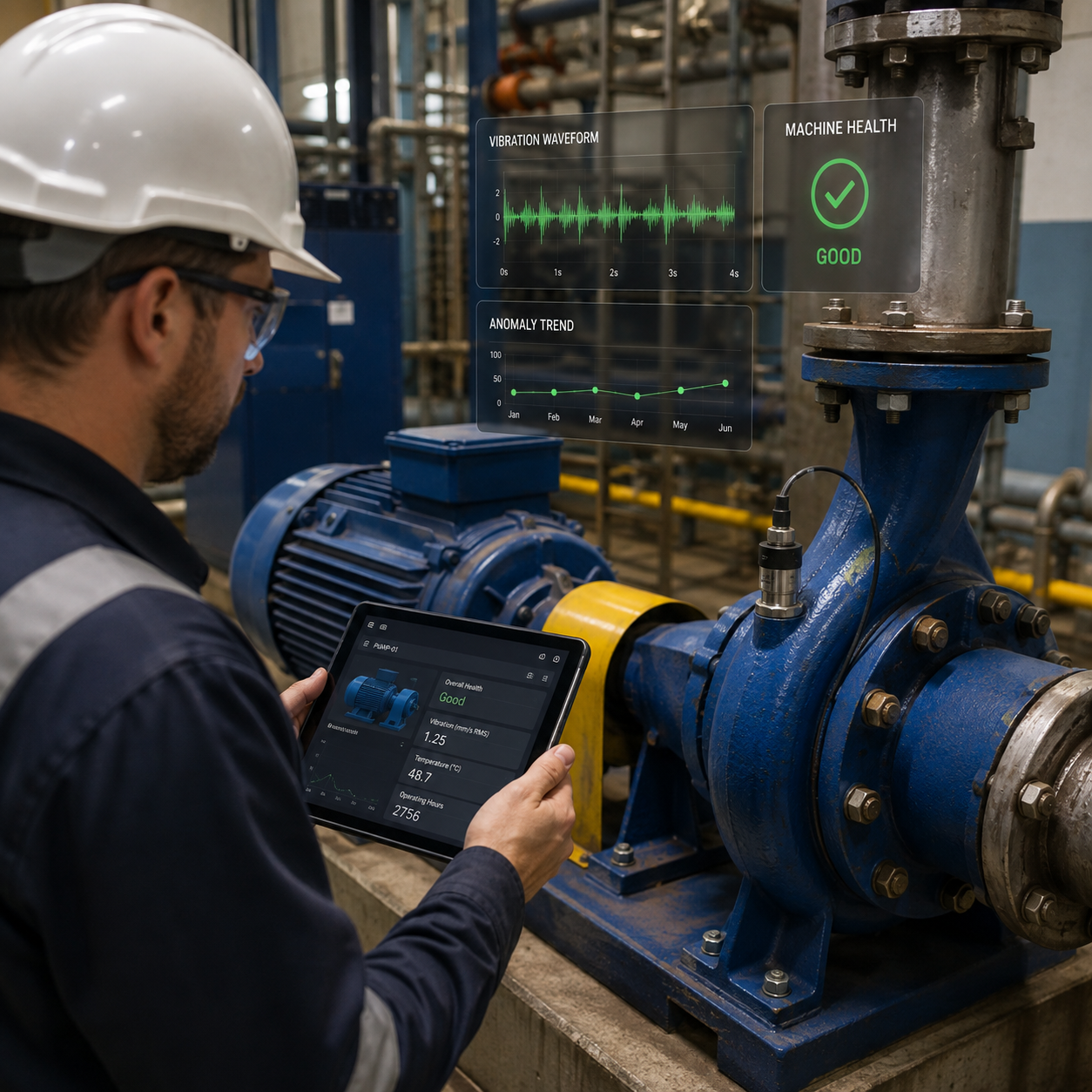
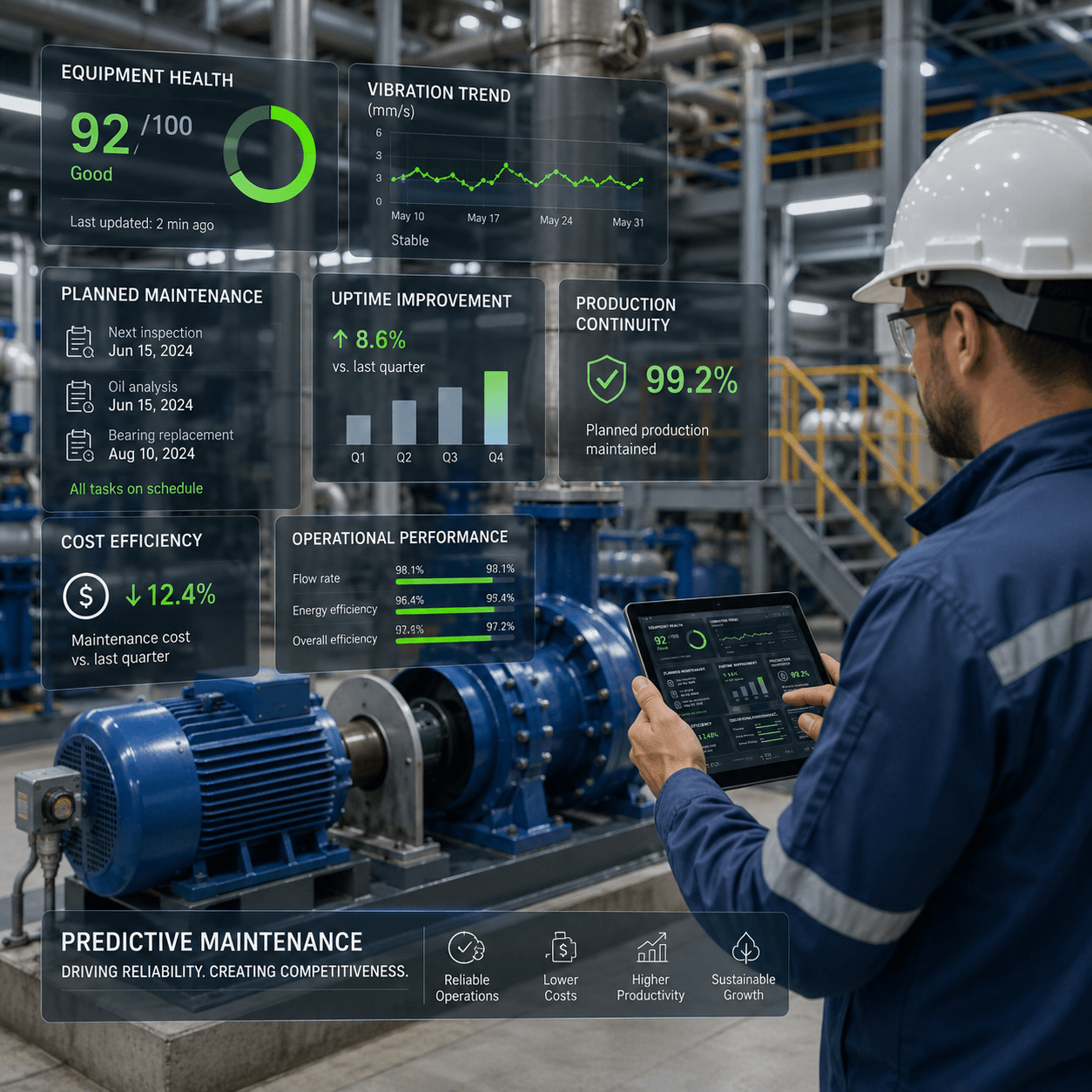
PdM: A Strategic Advantage for Enterprise Competitiveness
- Lower Maintenance Overhead
Execute maintenance only when asset health dictates—eliminating unnecessary routine overhauls and wasted spare parts.
- Eliminate Unplanned Downtime
Detect latent anomalies early to schedule repairs during planned maintenance windows, keeping production lines running.
- Optimize Maintenance Resources
Focus maintenance personnel on high-risk critical assets, eliminating redundant labor costs.
- Boost Asset Availability & OEE
Enhance Overall Equipment Effectiveness (OEE) to deliver stable, predictable manufacturing output.
- Accelerate Smart Manufacturing
Serve as a core pillar for smart factory infrastructure and enterprise-wide digital transformation strategies.
4-Step PdM Implementation Roadmap
Step 1|Telemetry Collection
Continuously harvest operational telemetry (vibration, temperature, etc.) directly from machines.
Step 2|Baseline Building
Organize telemetry into trackable trend lines and time-frequency feature metrics.
Step 3|Anomaly Analysis
Identify mechanical distress using predefined rules, signal processing, or AI diagnostic models.
Step 4|Actionable Alerts
Deliver automated alerts and health scores to guide technicians toward timely, targeted maintenance.

Which Assets Benefit Most from Predictive Maintenance?
- Critical Line Assets
- Continuous-Operation Equipment
- High-Repair-Cost Capital Assets
- Inaccessible Machinery
Predictive Maintenance Is More Than Installing Sensors
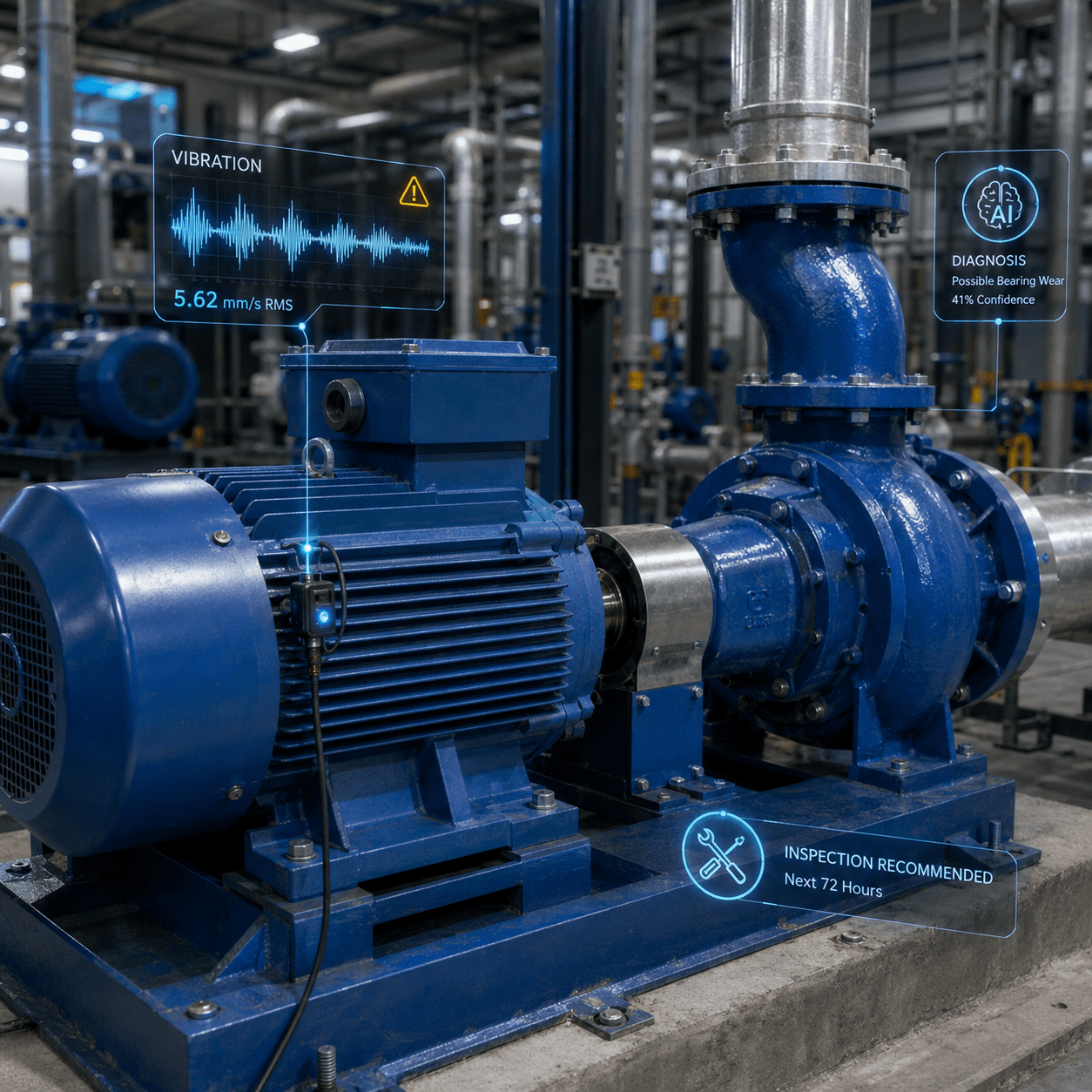
Sensors serve purely as the data gateway for a PdM architecture.
A complete, enterprise-grade PdM framework requires converting raw telemetry into actionable operational intelligence:
因此,一套完整的預測性維護架構通常包含:
Sensing ➔ Data Harvesting ➔ Condition Analysis ➔ AI Diagnostics ➔ Early Warning ➔ Condition-Based Servicing
Core Takeaway: What matters isn't how much data you harvest, but whether you can extract root-cause anomalies to empower maintenance teams to make confident decisions.
Unsure Where to Start Your PdM Journey?
PdM implementation strategies vary based on asset kinematics, fleet density, operating conditions, and site constraints.
If you are evaluating how to transition from manual walkthroughs or calendar-based servicing to automated condition monitoring, share your current machine inventory and maintenance practices with us—our experts will help build a customized PdM roadmap tailored to your operations.