
The Essential First Step to Asset Health Management
Long before a machine breaks down, its vibration signatures have already changed.
Rotating machinery—such as motors, pumps, fans, compressors, and gearboxes—generates distinct vibration patterns during normal operation.
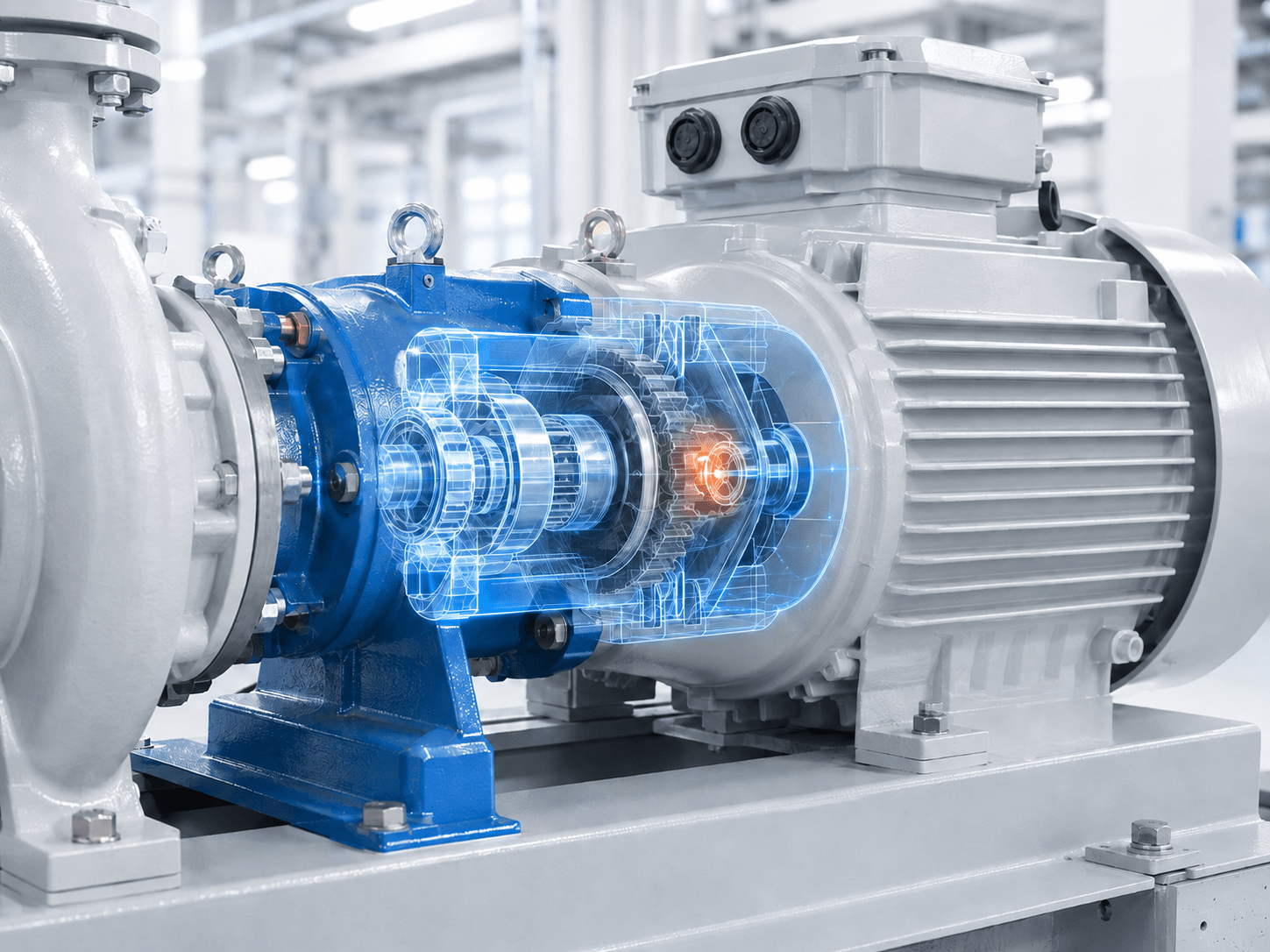
As issues like bearing wear, rotor imbalance, shaft misalignment, or gear defects develop, vibration signatures alter long before catastrophic failure occurs.
By continuously capturing operational telemetry with vibration sensors, enterprises transform invisible mechanical changes into actionable data—gaining early visibility into machine health to drive automated diagnostics and predictive maintenance.
Why Is Vibration Data Essential for Asset Health Monitoring?
- See What the Eye Can't
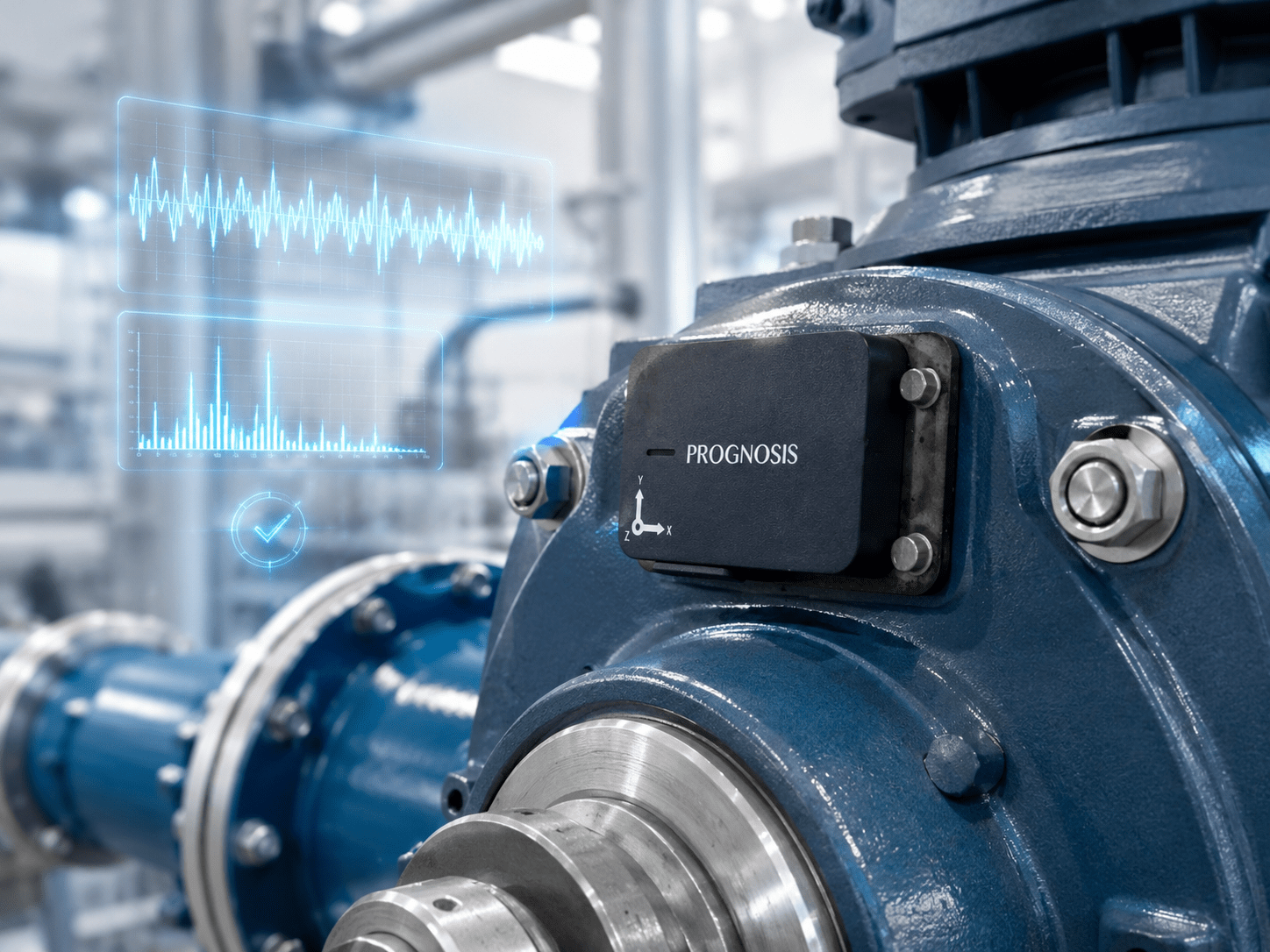
An external visual check won't reveal internal mechanical wear. Vibration analytics capture subtle internal degradation long before surface symptoms appear.
- Detect Latent Anomalies Early
Mechanical defects across bearings, gears, rotors, and shafts manifest directly as shifts in vibration amplitude and frequency spectra.
- Establish Long-Term Health Baselines
Accumulating vibration telemetry over time tracks asset degradation trends—providing the foundation for Condition-Based Maintenance (CBM).
How Vibration Sensors Capture Machine Health
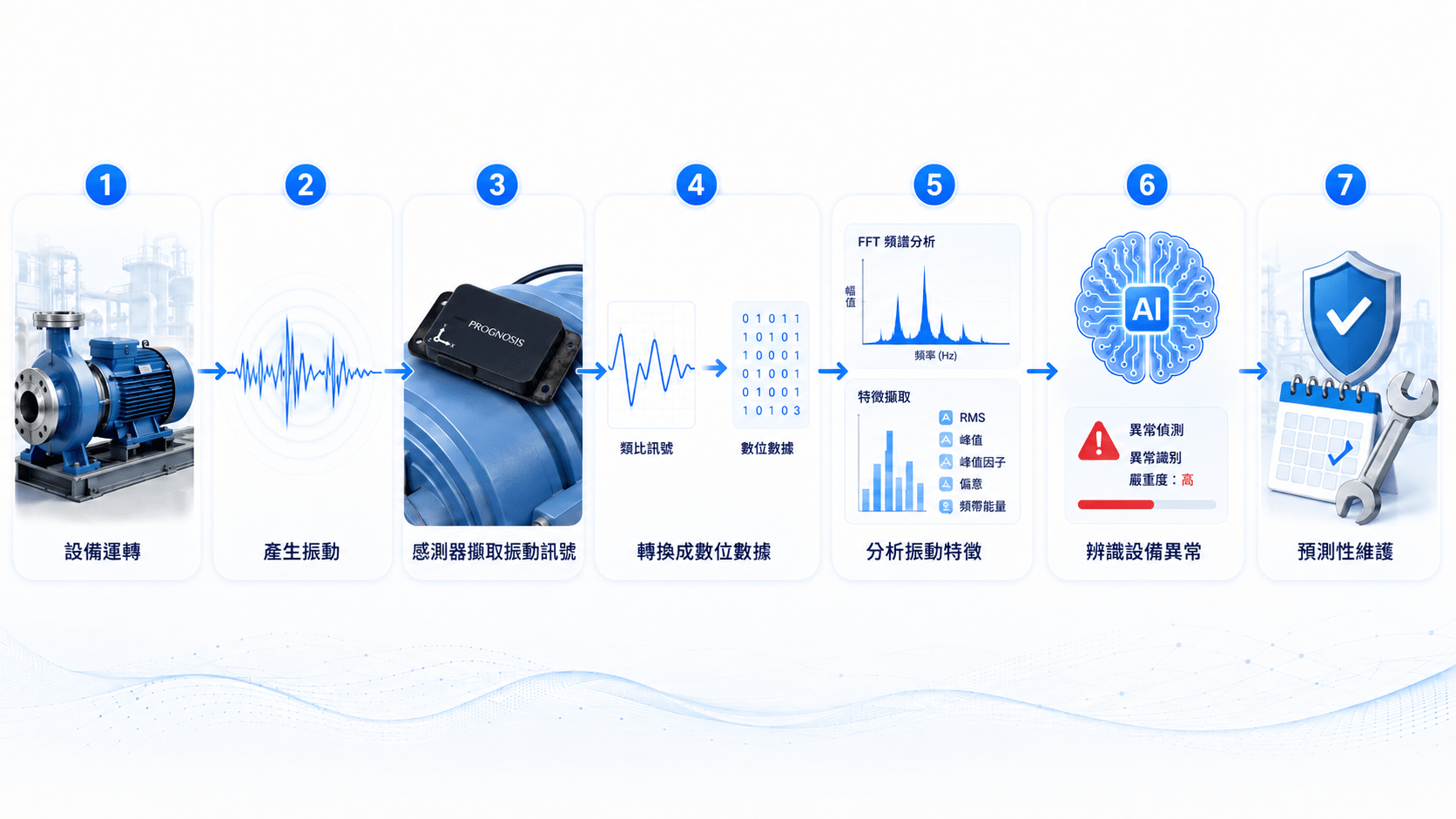
Vibration sensors measure changes in acceleration across operating equipment to extract amplitude, frequency, and spectral features. This raw telemetry is fed directly into centralized monitoring and analytics platforms.
When a machine's vibration profile deviates from its baseline, the system flags the anomaly for health evaluation and fault isolation.
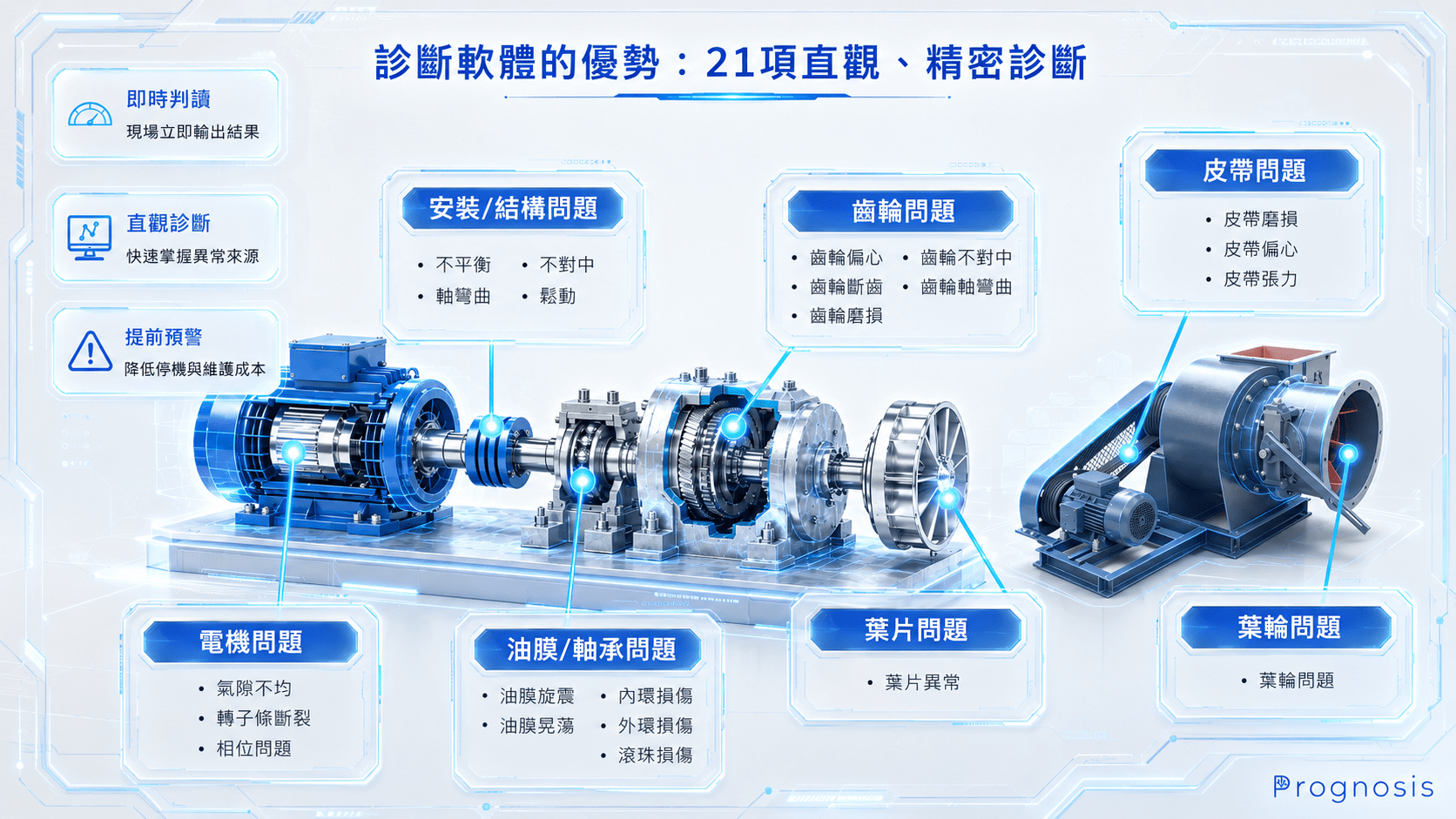
What Machine Failures Can Vibration Sensors Detect?
Common equipment anomalies observable through vibration signals include rotating component imbalance, shaft misalignment from coupling offsets, bearing failure due to wear or lubrication issues, gear defects caused by tooth wear or improper meshing, and structural looseness from loose bolts or baseplates. Additionally, bent shafts resulting from component deformation or damage are also clearly reflected in changes to an asset's vibration profile.
Sensors make machine data visible; AI makes machine data meaningful.
Want to learn more about how AI identifies equipment faults from vibration data?
From Vibration Telemetry to Predictive Maintenance
Vibration sensors serve as the primary data gateway for asset health management. By continuously collecting operational telemetry, they guide enterprises away from operational blind spots toward seeing anomalies, understanding faults, and predicting risks—ultimately establishing a condition-based predictive maintenance framework.

Purpose-Built Industrial Vibration Sensors by Prognosis
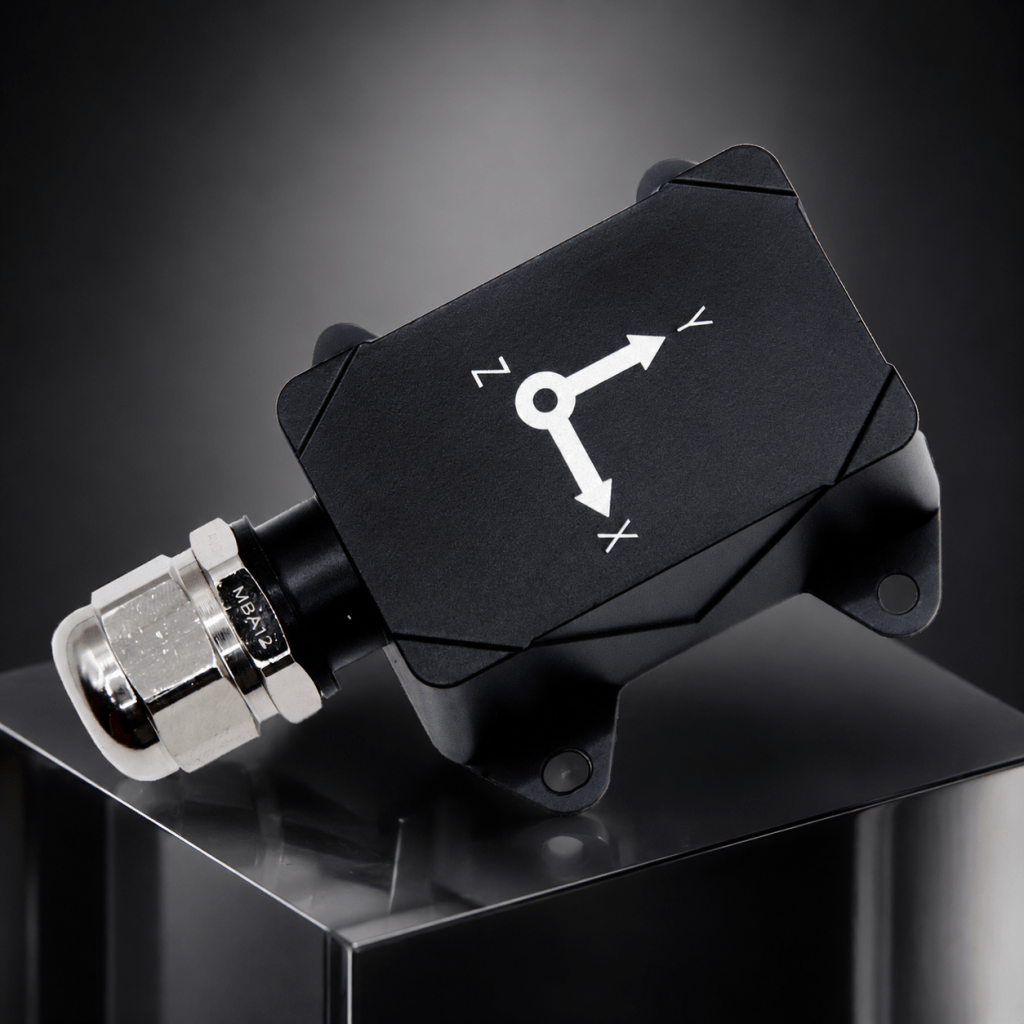
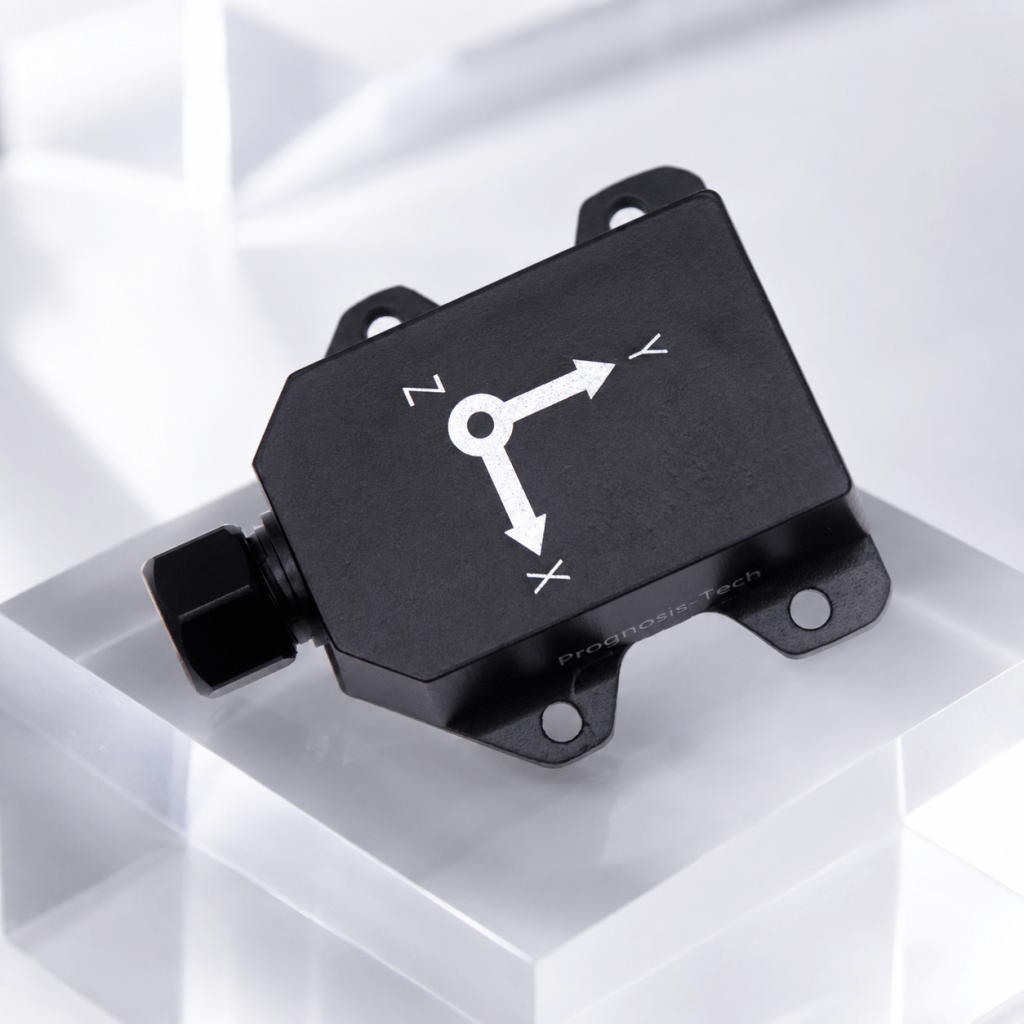
Prognosis develops proprietary MEMS vibration sensing technology tailored for harsh industrial environments. Delivering simultaneous tri-axial vibration and temperature telemetry, our sensor portfolio supports diverse data output protocols and physical deployments—including wired, wireless, and hazardous-area certified (explosion-proof) configurations.
- Tri-Axial Simultaneous Sensing (X, Y, Z): Measures vibration dynamics across all three spatial axes at once.
- Broad Frequency Response: Captures low-frequency rotational shifts up to high-frequency structural noise.
- Flexible Transmission Architecture: Offers wired and wireless options to overcome site deployment limitations.
- Industrial-Grade Enclosures: Rugged protection ratings built for extreme factory conditions.

How to Choose the Right Industrial Vibration Sensor?
Selecting a vibration sensor requires evaluating operational parameters rather than just price or basic measurement range:
- Equipment Type
Match sensing characteristics to the specific asset (motor, pump, fan, compressor, or gearbox).
- Frequency Range (Bandwidth)
Ensure sensor bandwidth covers the specific frequency domain of target failure modes.
- Measurement / Dynamic Range
Choose a higher g-range for high-speed or heavy-vibration assets to prevent signal saturation.
- Deployment Environment
Select appropriate protection ratings (IP/Ex) for high temperature, humidity, dust, or explosive zones.
- Data Transmission Architecture
Choose between wired connections or wireless sensor networks based on physical layout and wiring constraints.
Unsure which sensor fits your environment?
Start Building Your Asset Health Infrastructure Today
Vibration sensors are step one in industrial digital transformation. By pairing continuous telemetry acquisition with advanced AI analytics and fault diagnostics, enterprises transition smoothly from simple condition monitoring to complete Predictive Maintenance (PdM).