
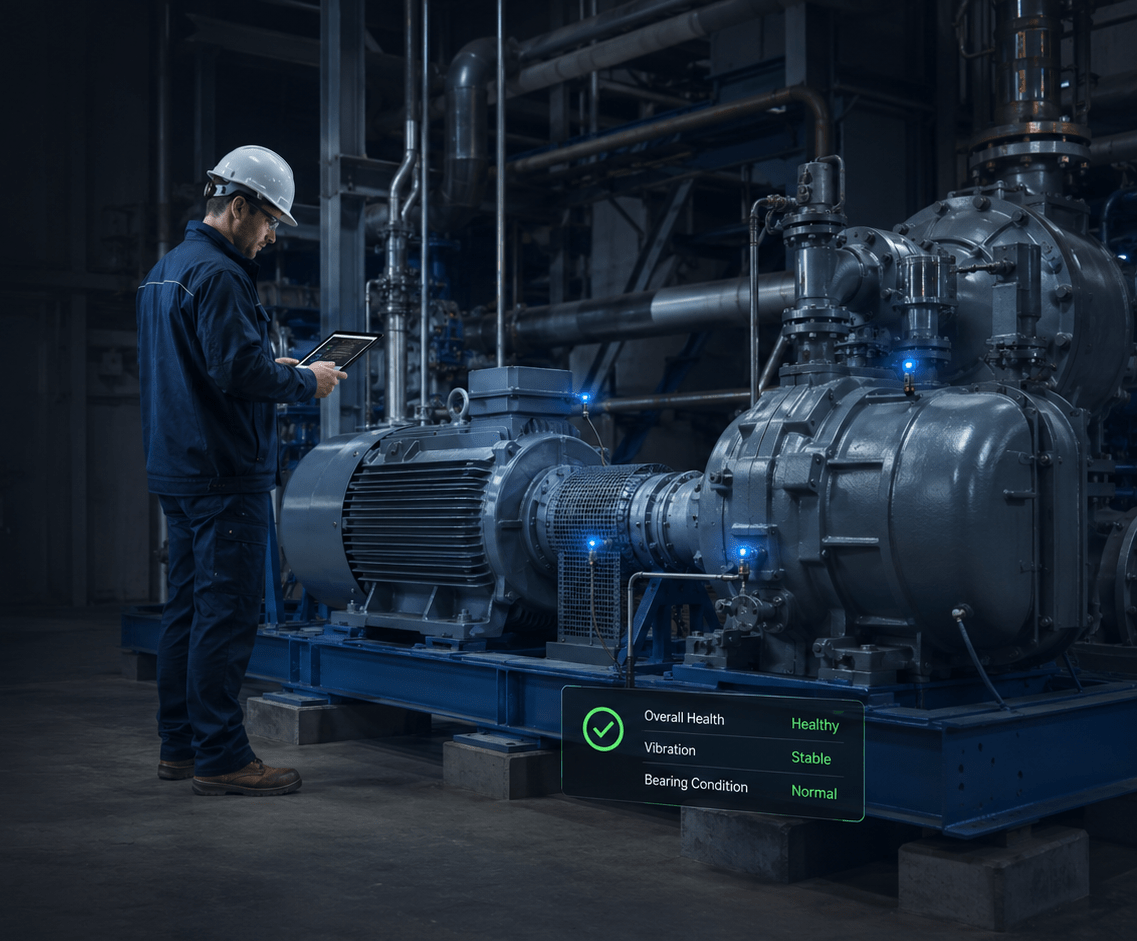
Still Relying on Reactive "Break-Fix" Maintenance?
When machinery shuts down unexpectedly, you face more than just spiked repair costs—production halts, delivery schedules slip, product quality fluctuates, and overall plant capacity takes a heavy hit.
What if you could catch subtle anomaly signatures long before a machine actually fails?
By predicting issues early and scheduling maintenance proactively, you eliminate unplanned downtime risks. PHM (Prognostics and Health Management) is the core technology empowering modern enterprises to transition to data-driven predictive maintenance.
Are You Facing These Equipment Management Challenges?
- Unpredictable Breakdown Risks
- Data Blind Spots
- Inflexible Servicing
- Production Disruptions
- Escalating Costs
- Technician Shortages
Shift from Reactive Repairs to Predictive Intelligence. PHM enables your maintenance operations to evolve from "fixing broken assets" to "predicting future health."
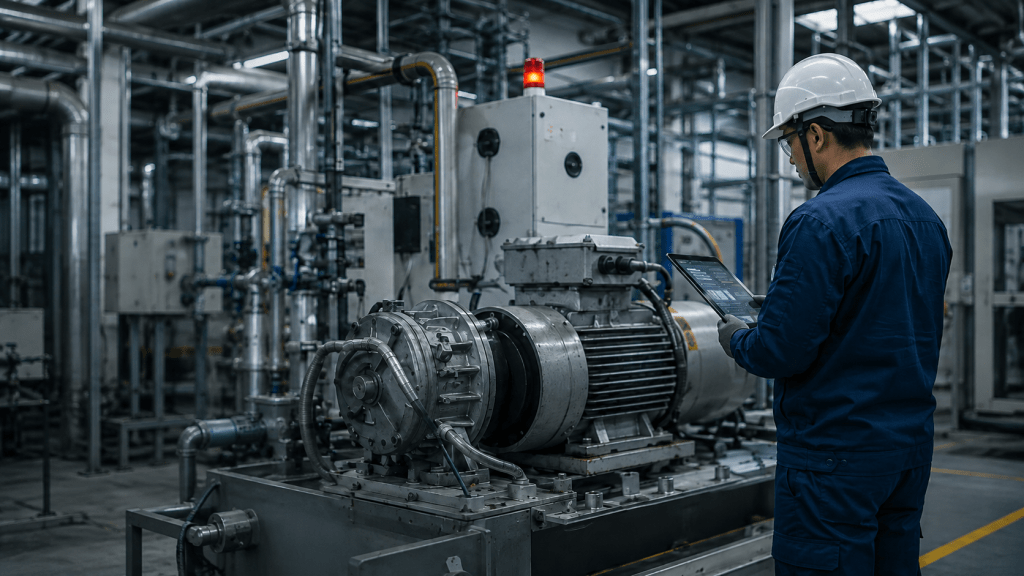

Prognostics and Health Management (PHM) is a critical discipline powering Industry 4.0, smart manufacturing, and high-reliability sectors—including aerospace, rail transit, semiconductor fabrication, and wind energy.
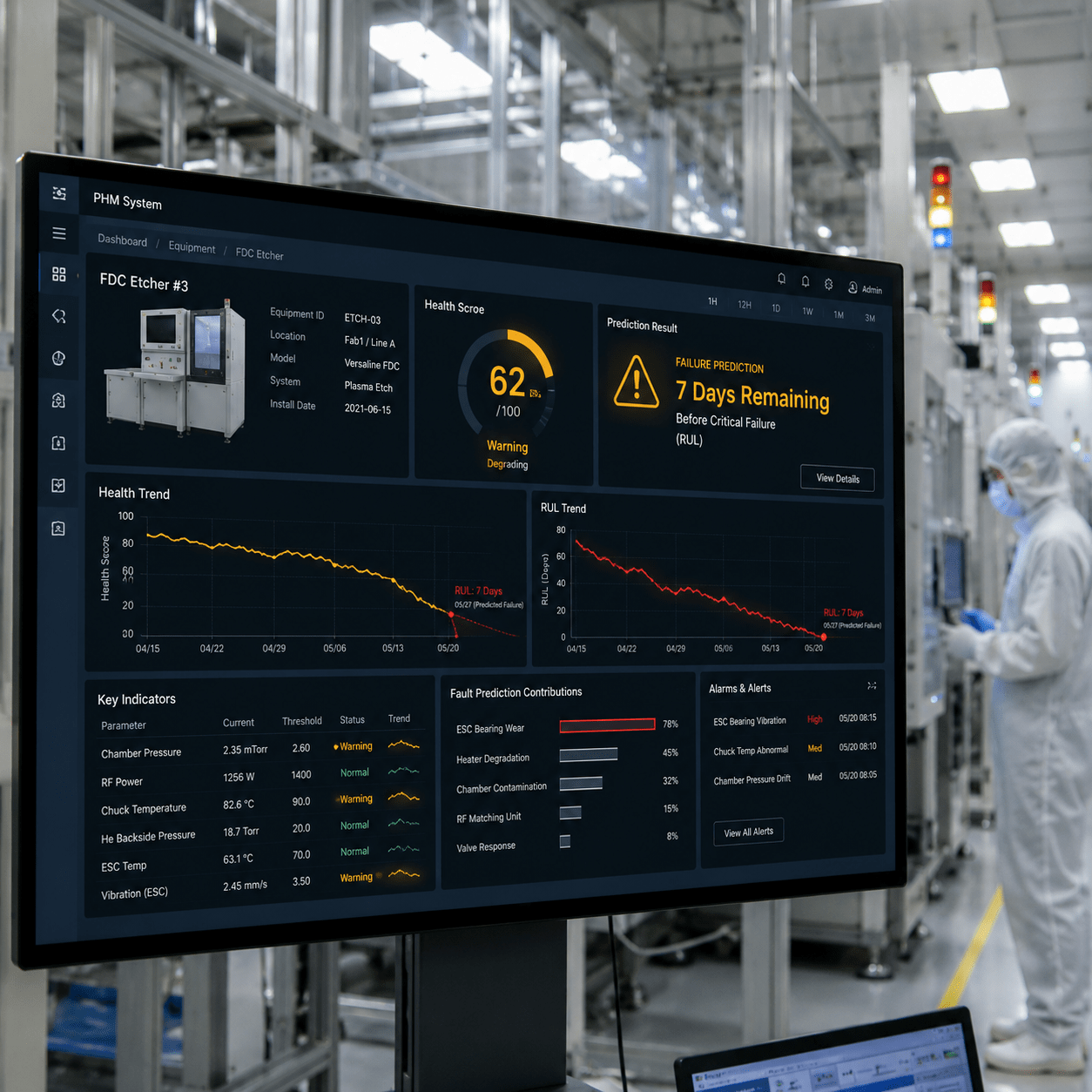
Prognostics leverages data analytics, statistical modeling, and machine learning to forecast potential equipment faults before they occur.
Benefits of Prognostics:
- Higher Asset Reliability: Identify latent faults early to minimize unexpected breakdowns.
- Reduced Operating Costs: Transition from reactive firefighting to Condition-Based Maintenance (CBM).
- Optimized Resource Allocation: Deploy technicians and dispatch spare parts efficiently based on predictive insights.
- Extended Equipment Lifespan: Proactive intervention prevents catastrophic secondary damage and maximizes ROI.
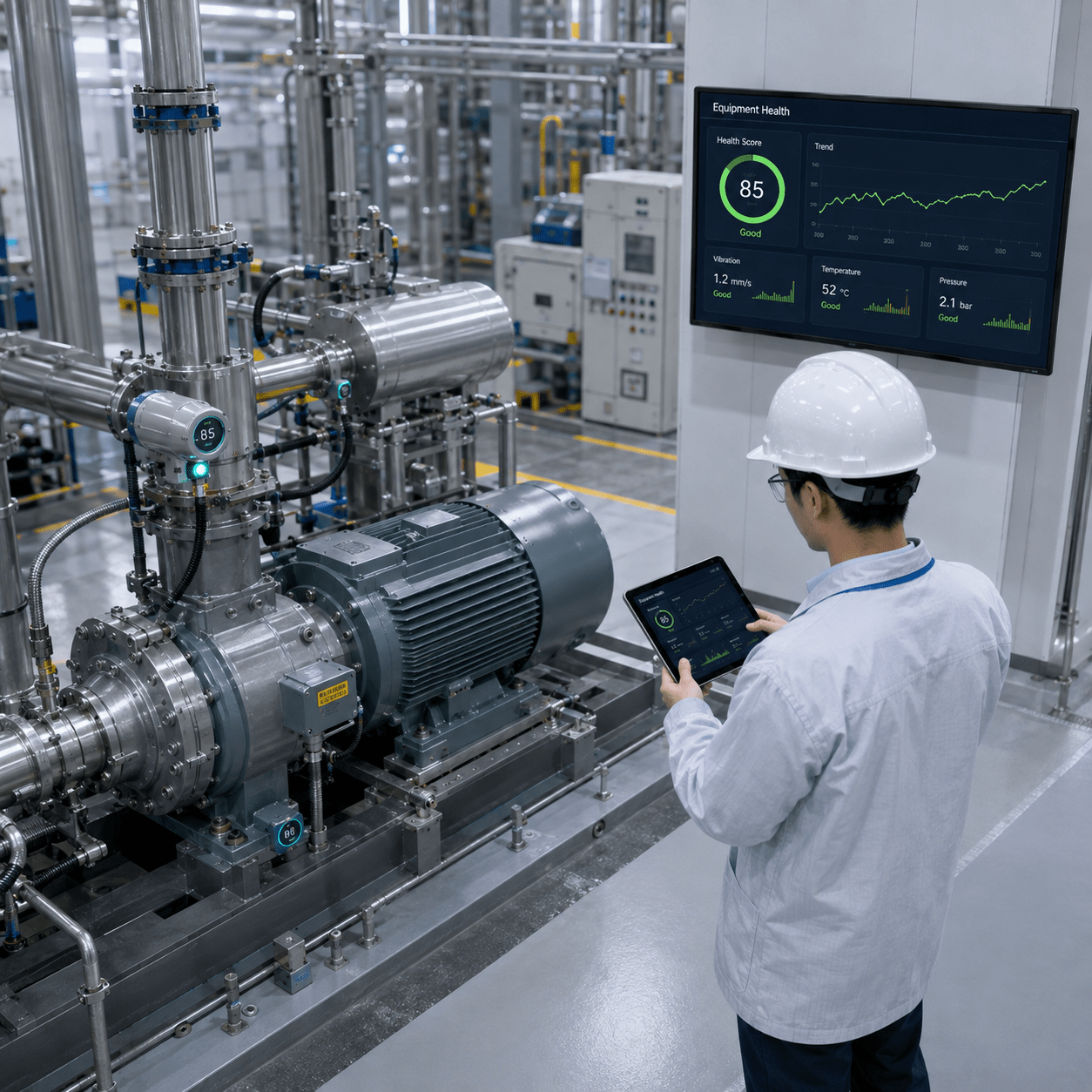
Health Management is a systematic methodology that monitors, analyzes, and evaluates asset health to keep machinery running within its optimal operating window.
Benefits of Health Management:
- Enhanced System Reliability: Continuous performance tracking catches early degradation trends.
- Elevated Operational Efficiency: Optimizes machine parameters to ensure consistent, peak production throughput.
The Synergy: How Prognostics and Health Management Interlock
Prognostics and Health Management share a close, complementary relationship.
PHM (Prognostics and Health Management) combines the two core concepts of Prognostics (fault prediction) and Health Management.
The two work together to form a complete PHM management process, helping enterprises from equipment monitoring and fault diagnostics to predictive maintenance—gradually reducing the risk of unexpected downtime and improving equipment reliability and overall production efficiency.
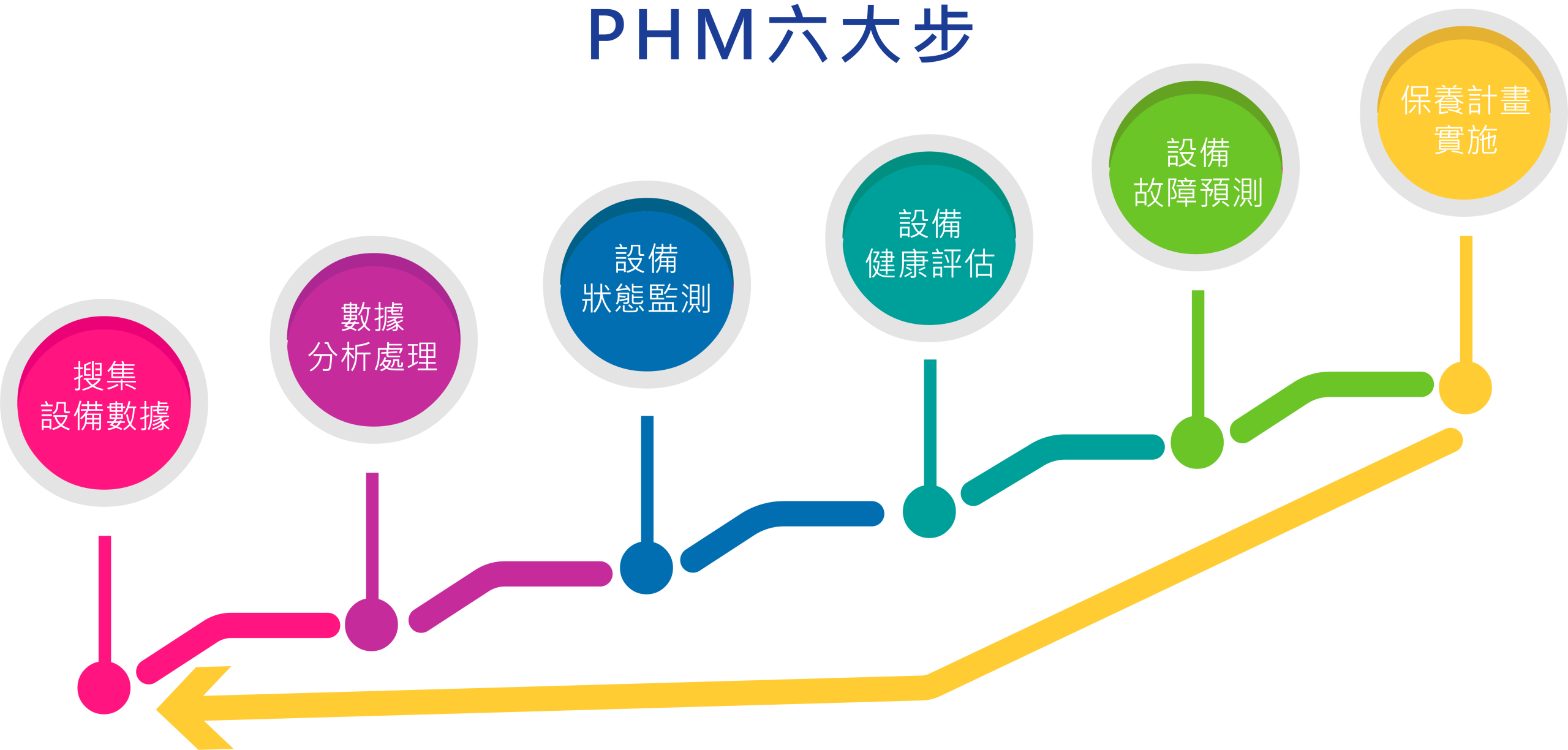
The implementation of PHM can usually be divided into 6 core steps, establishing an equipment health management mechanism through a systematic process so enterprises can truly achieve data-driven smart maintenance.
Equipment Data Collection
Deploy multi-modal sensors (vibration, temperature, pressure, electrical current) to continuously capture operational parameters, environmental metrics, and historical logs.
Data Processing & Signal Analysis
Apply signal processing algorithms to filter raw data into usable diagnostic inputs (such as spectral waveforms and time-domain features).
Condition Monitoring
Continuously track operational parameters to ensure machinery runs within safe operating envelopes.
Equipment Health Assessment
Quantify asset health status using health scores, degradation indices, and Remaining Useful Life (RUL) estimates.
Prognostics
Utilize predictive models (time-series forecasting, statistical models, ML/DL algorithms) to project health evolution trends and fault probabilities.
Maintenance Execution & Decision Support
Integrate predictive analytics into enterprise maintenance workflows to schedule optimal repair windows, optimize spare parts inventory, and manage labor resources.
3 Technical Approaches to PHM
Based on equipment characteristics and application requirements, PHM can be categorized into three main technical approaches: Physics-Based, Data-Driven, and Hybrid Modeling. Physics-based models analyze health status through physical operational mechanisms; data-driven methods leverage sensor data, AI, and machine learning to identify equipment anomalies; and hybrid models combine the advantages of both. By balancing model interpretability and predictive accuracy, hybrid modeling is particularly well-suited for complex industrial equipment and smart manufacturing scenarios.
How Prognosis AI Powers Next-Generation PHM
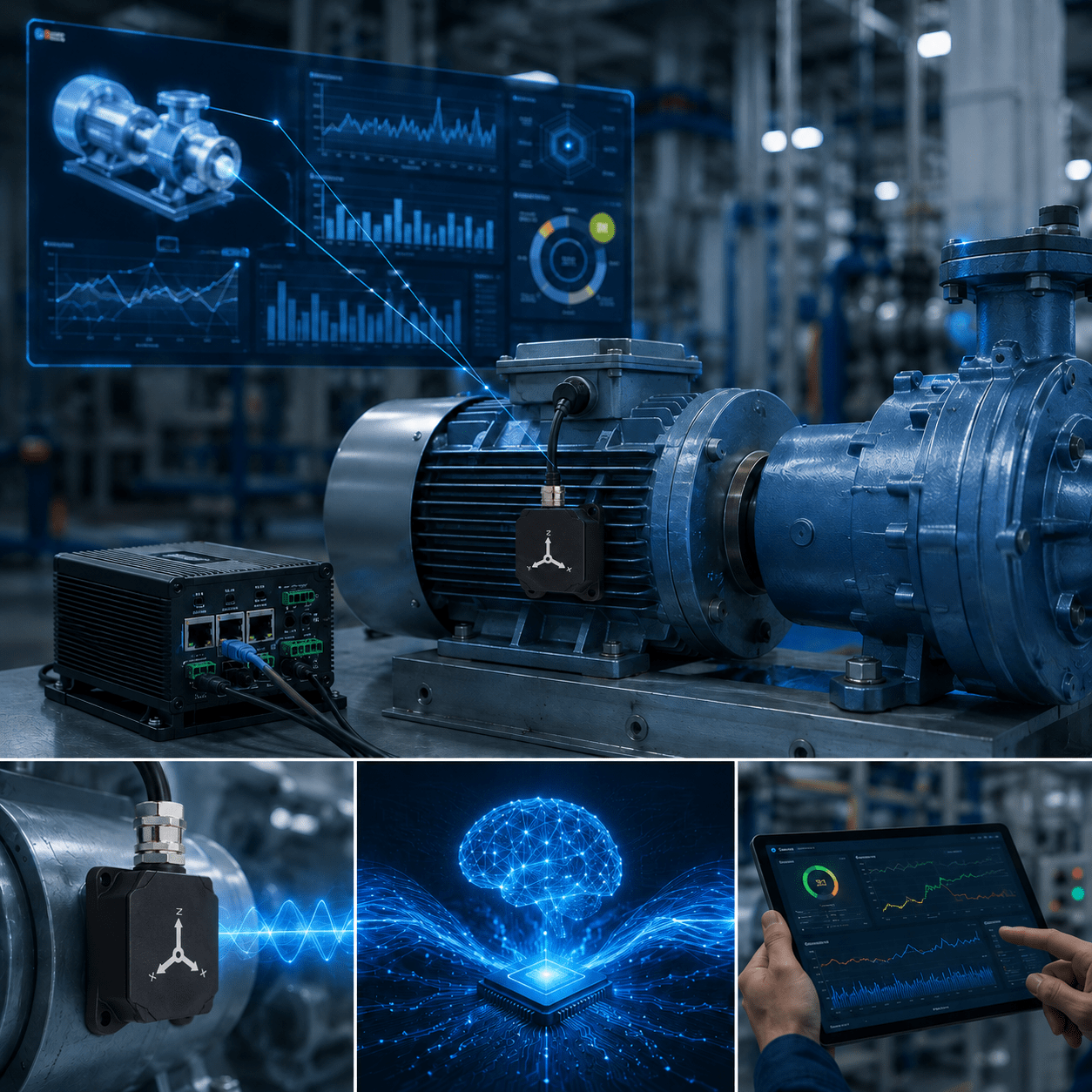
At the core of Prognosis Technology is a powerful synergy of proprietary AI algorithms, precision vibration monitoring, and advanced PHM frameworks. High-sensitivity sensors continuously stream operational data from critical components—such as motors, bearings, gearboxes, and spindles.
By combining AI anomaly detection, pattern recognition, and long-term health trend analysis, Prognos catches subtle degradation signatures long before failure occurs. We help industrial enterprises transform traditional post-failure repairs into data-driven predictive maintenance—eliminating unplanned downtime risks and safeguarding overall production reliability.